Building surveying is changing quickly in 2026, and homebuyers are set to benefit from better insight, clearer reports and more reliable information about the homes they are considering.
Smarter surveys and visuals
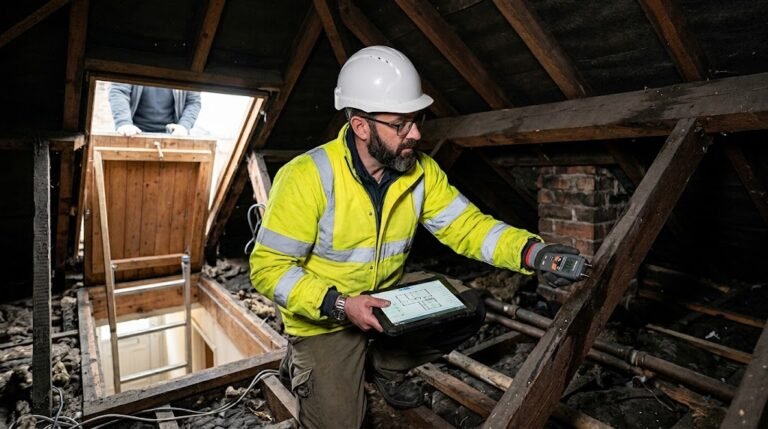
For homebuyers, surveys are no longer limited to brief written descriptions and a few photographs. Increasing use of digital tools, such as laser measurement, drones for difficult-to-access roofs and 3D models, means reports can highlight defects more clearly and show how a property actually fits together. This helps buyers understand risk, prioritise repairs and negotiate with greater confidence.
Energy performance and retrofit advice
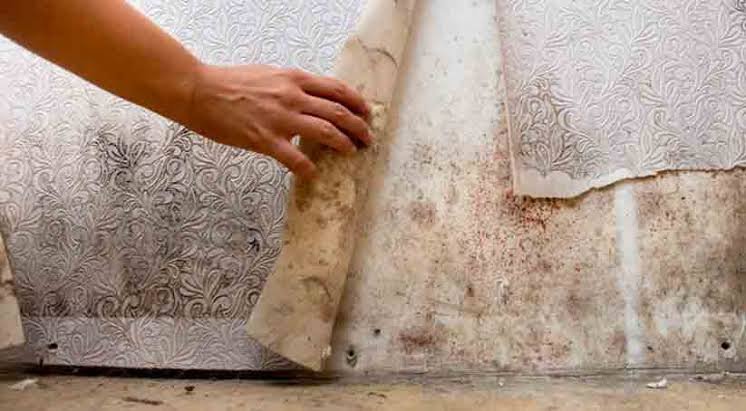
With rising energy costs and stricter standards, buyers are now asking much more about insulation, ventilation and heating efficiency. Modern building surveys increasingly include commentary on thermal performance, likely energy upgrades and realistic costs, rather than simply flagging “damp” or “poor insulation”. This gives homebuyers a clearer view of long-term running costs and the potential to improve comfort and value through targeted retrofit.
Safety, compliance and risk
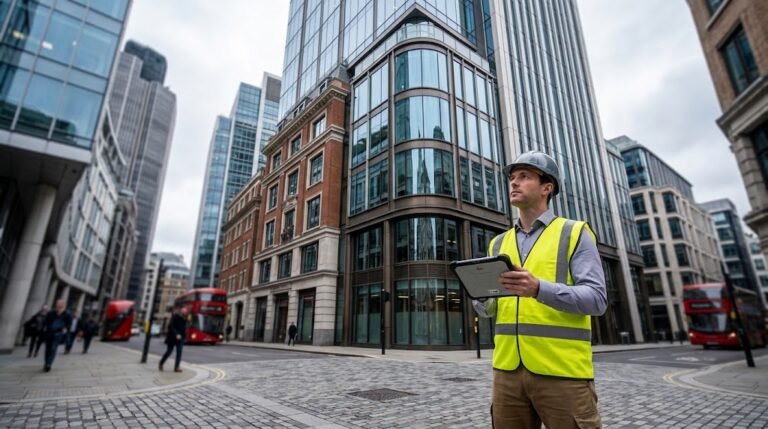
Regulatory changes around fire safety, cladding, balconies and conversions mean that buyers need assurance their prospective home is both safe and compliant. Surveyors are responding with more structured risk assessments, better documentation of high-risk features and clearer explanation of when legal or specialist advice is needed before exchange.
What this means for homebuyers
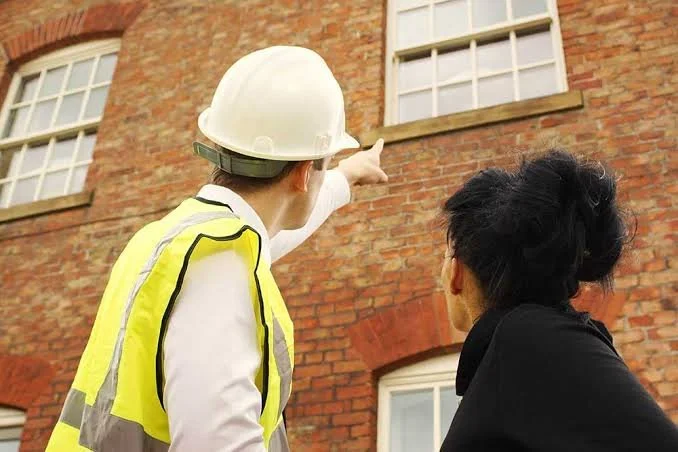
In 2026, commissioning a survey is less about ticking a box for the lender and more about securing a detailed, future-focused picture of the property. Homebuyers who choose a chartered building surveyor with strong digital capability, energy and retrofit understanding, and clear reporting can make better decisions, plan upgrades and avoid costly surprises after completion.
Frequently Asked Questions
How are building surveys becoming smarter in 2026?
Increasing use of digital tools, such as laser measurement, drones for difficult-to-access roofs and 3D models, means reports can highlight defects more clearly and show how a property actually fits together, helping buyers understand risk and negotiate with greater confidence.
Do modern surveys cover energy performance?
Yes. Modern building surveys increasingly include commentary on thermal performance, likely energy upgrades and realistic costs, rather than simply flagging damp or poor insulation, giving a clearer view of long-term running costs.
What about safety and compliance?
Regulatory changes around fire safety, cladding, balconies and conversions mean surveyors are providing more structured risk assessments, better documentation of high-risk features and clearer explanation of when legal or specialist advice is needed before exchange.
What does this mean for homebuyers?
Commissioning a survey is less about ticking a box for the lender and more about securing a detailed, future-focused picture of the property. Choosing a chartered building surveyor with strong digital capability and clear reporting helps you make better decisions and avoid costly surprises after completion.